
 Payments starting from $10.00 per week.
 Product Description
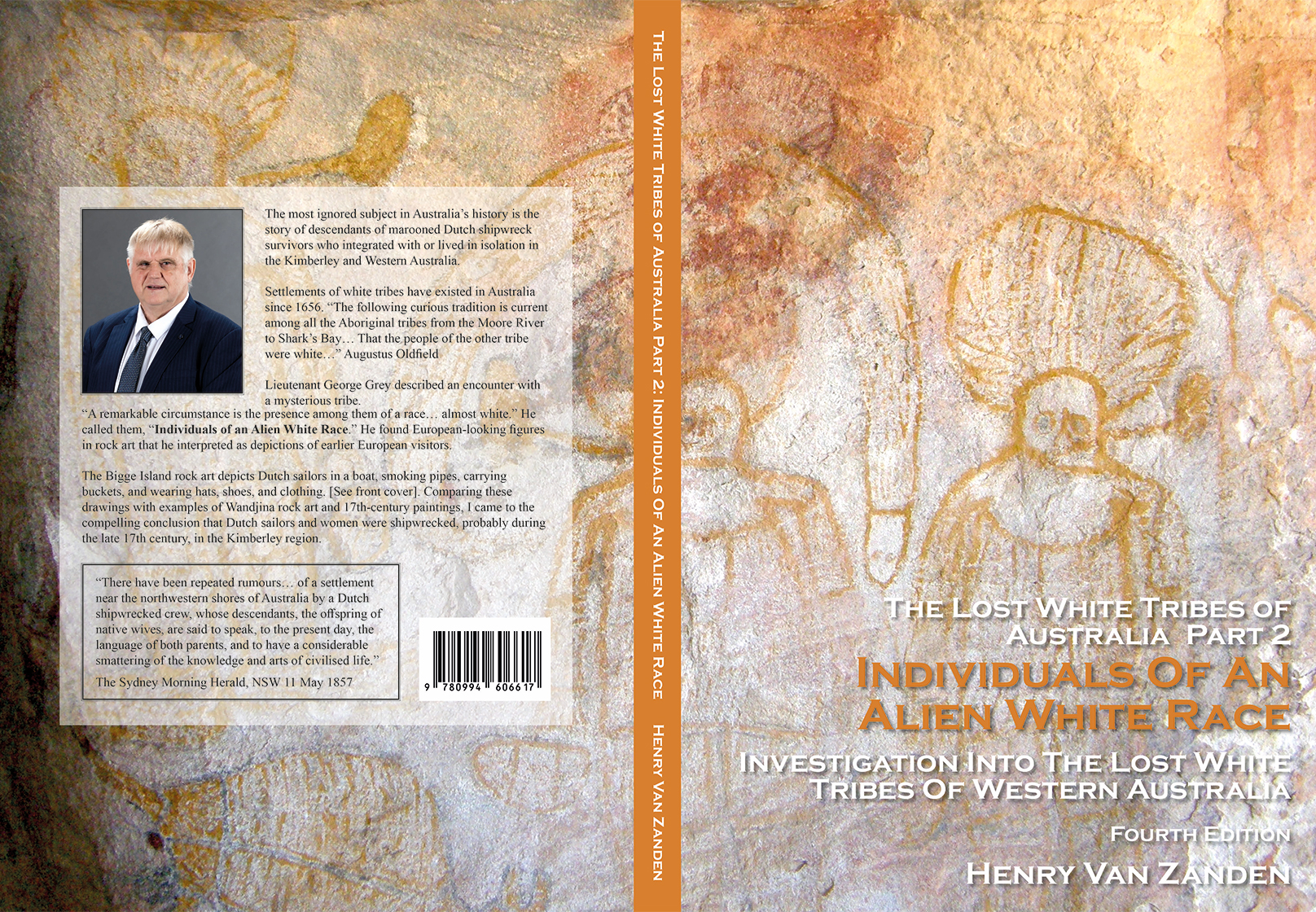
The Lost White Tribes of Australia Part Two: ‘Individuals of an Alien White Race.’ Fourth Edition A4 full colour
The most ignored subject in Australia’s history is the story of
descendants of marooned Dutch shipwreck survivors who integrated with or
lived in isolation in the Kimberley and Western Australia.
Settlements of white tribes have existed in Australia since 1656. “The
following curious tradition is current among all the Aboriginal tribes
from the Moore River to Shark’s Bay… That the people of the other
tribe were white.” Augustus Oldfield
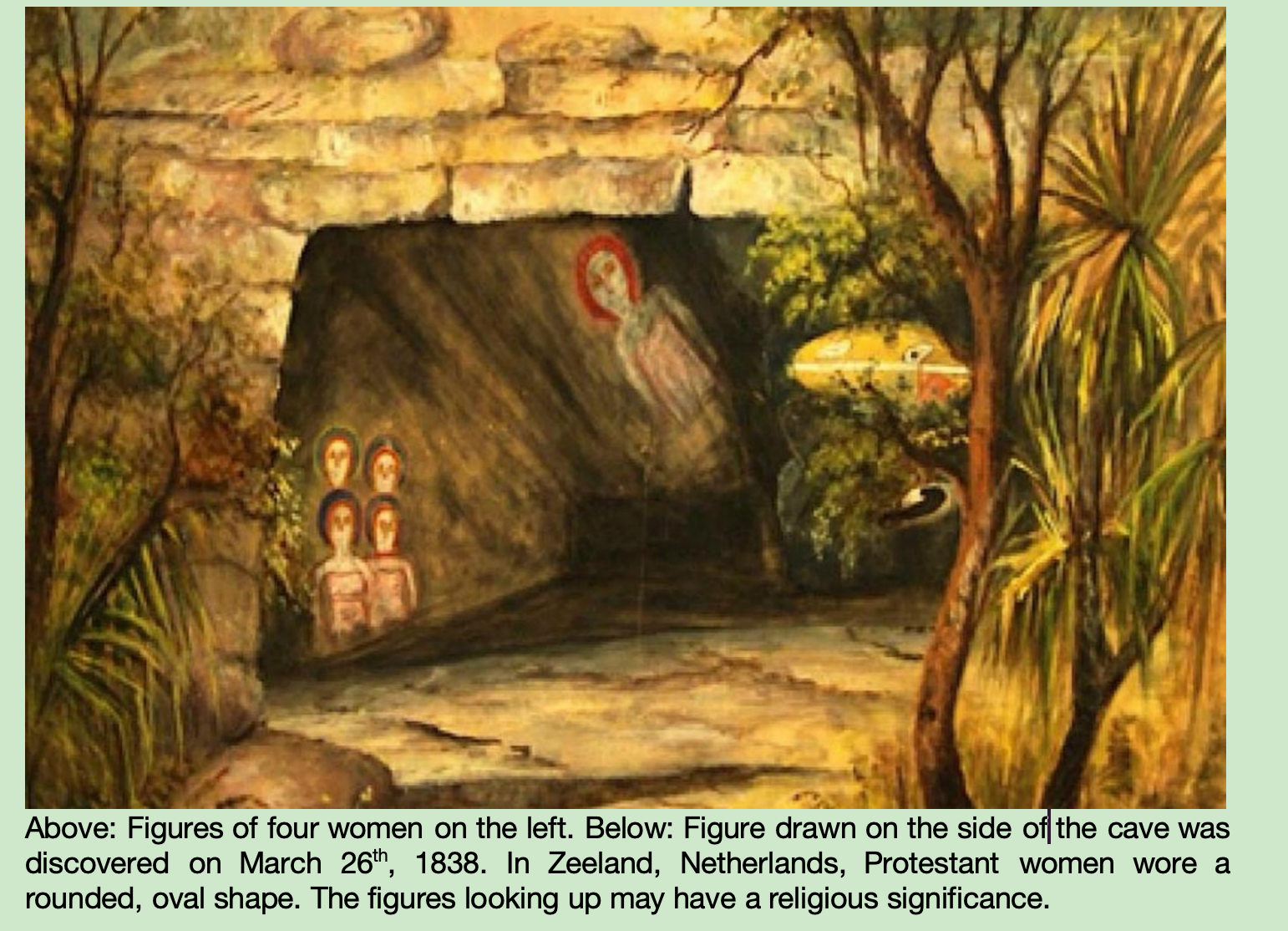
Much more emphasis has been placed on the lost white tribes of
northwestern Australia, which were first explored inland by Lieutenant
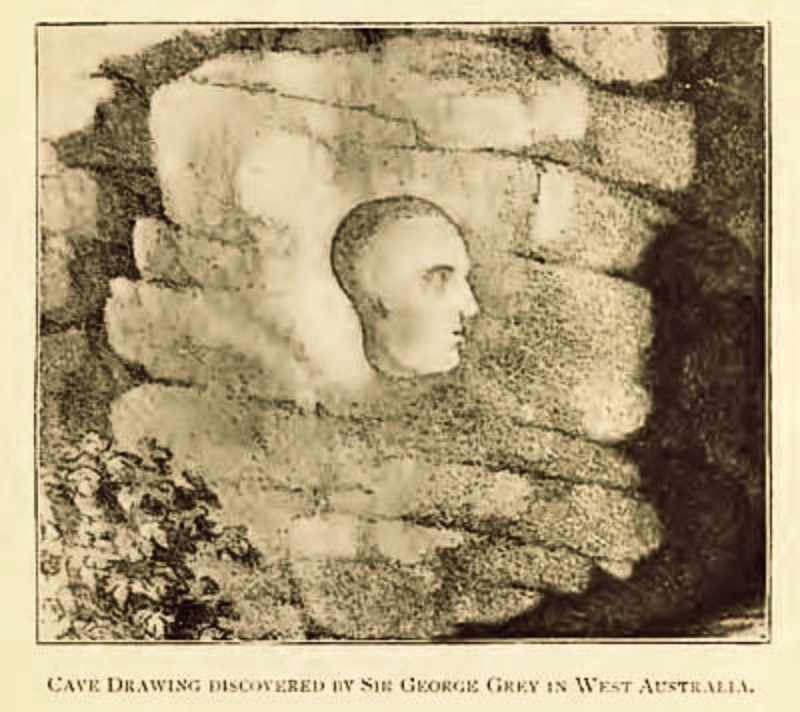
George Grey, who described an encounter with a mysterious tribe.
“A remarkable circumstance is the presence among them of a race…
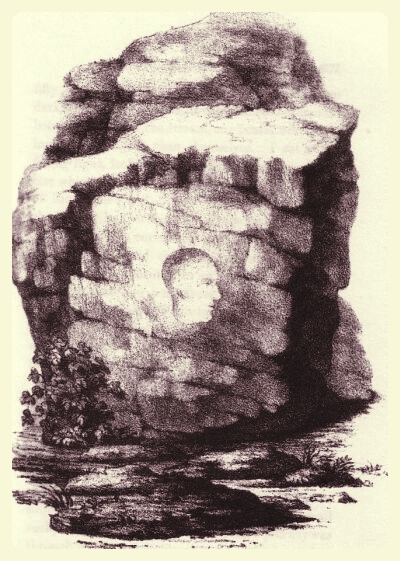
almost white.” He called them “Individuals of an Alien White Race.” He
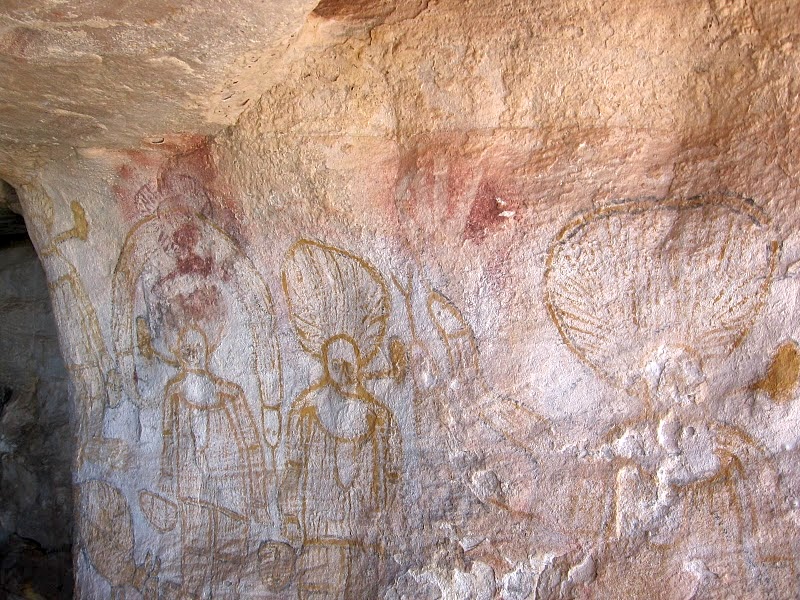
found European-looking figures in rock art that he interpreted as
depictions of earlier European visitors.
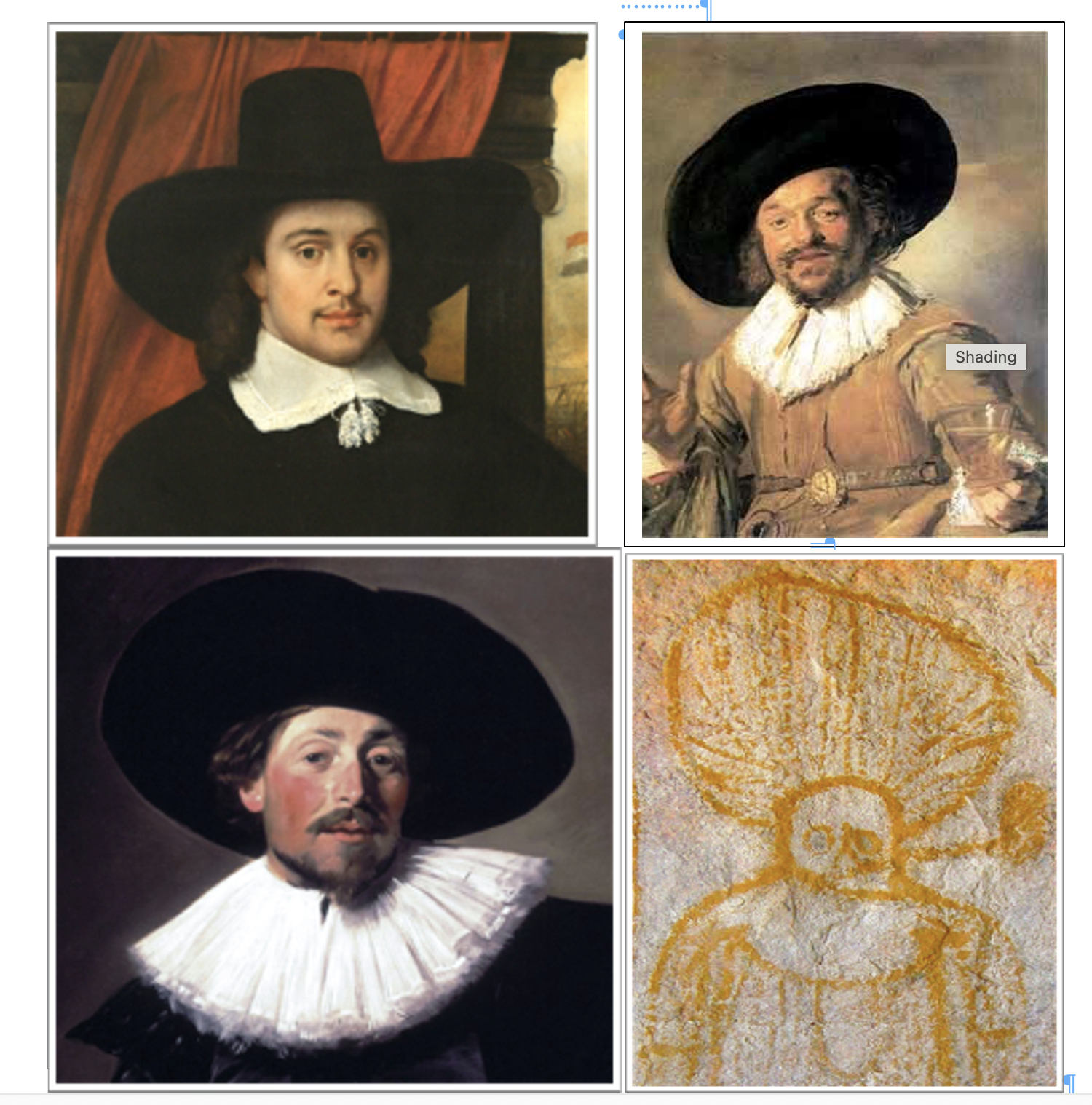
The Bigge Island rock art depicts Dutch sailors in a boat, smoking
pipes, carrying buckets, and wearing hats, shoes, and clothing.
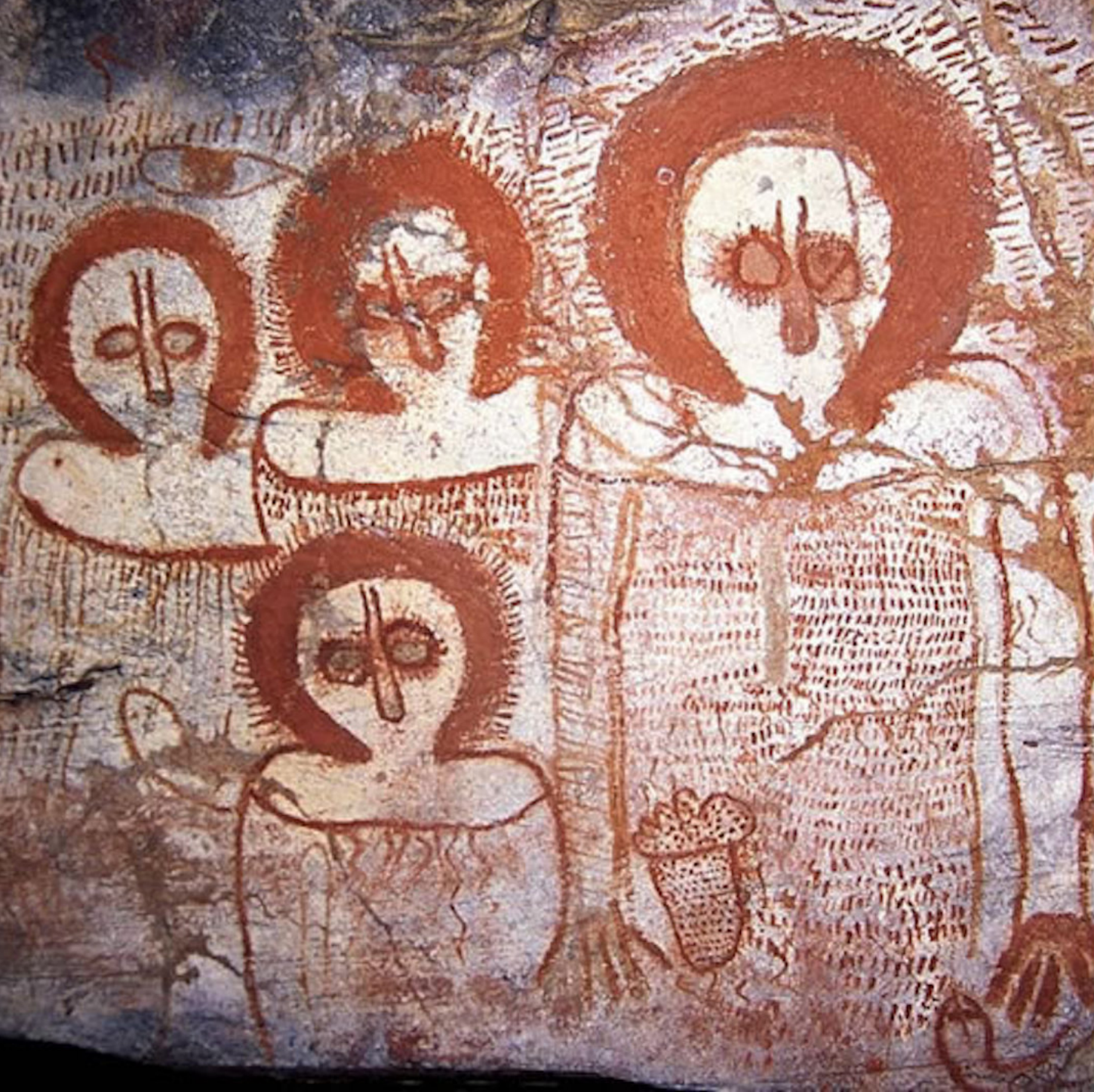
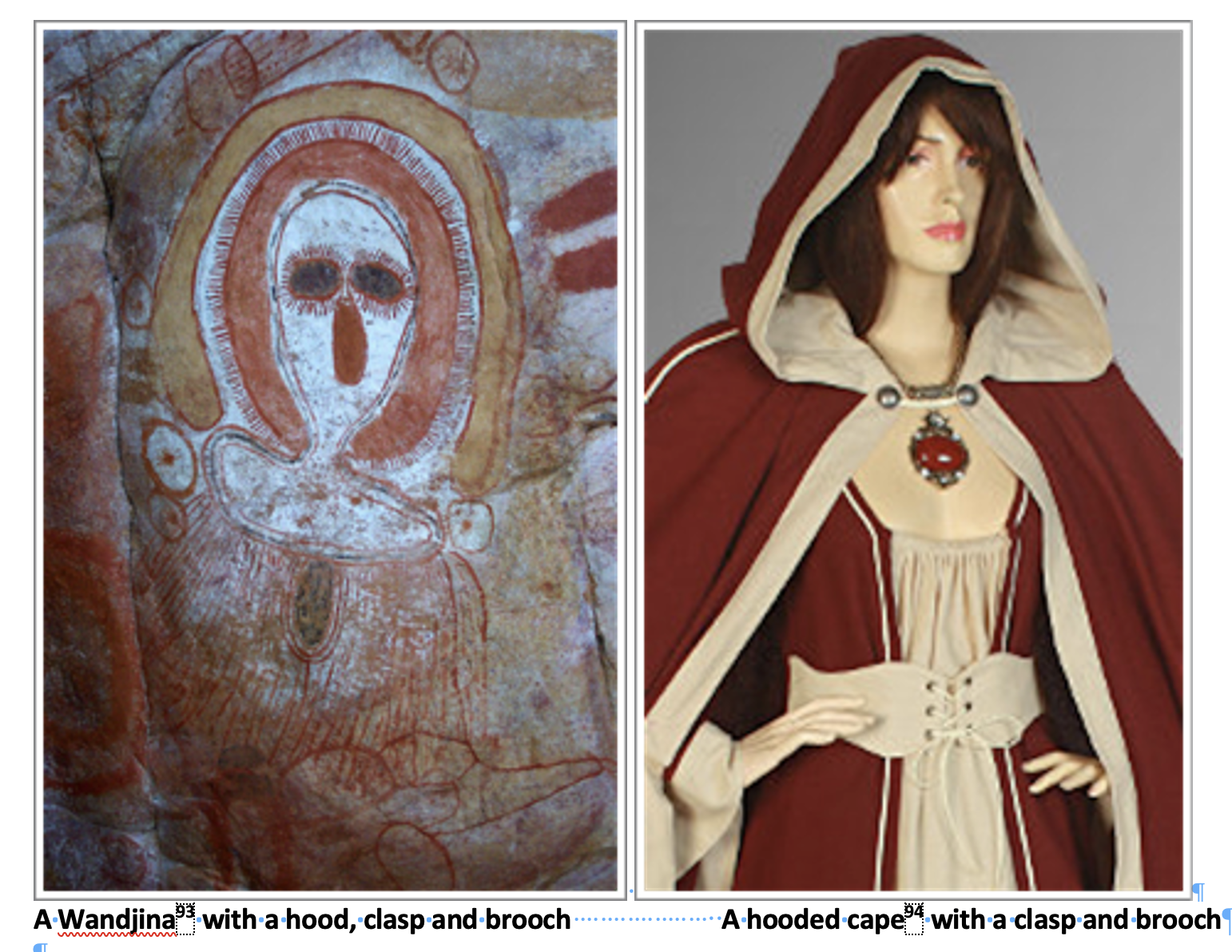
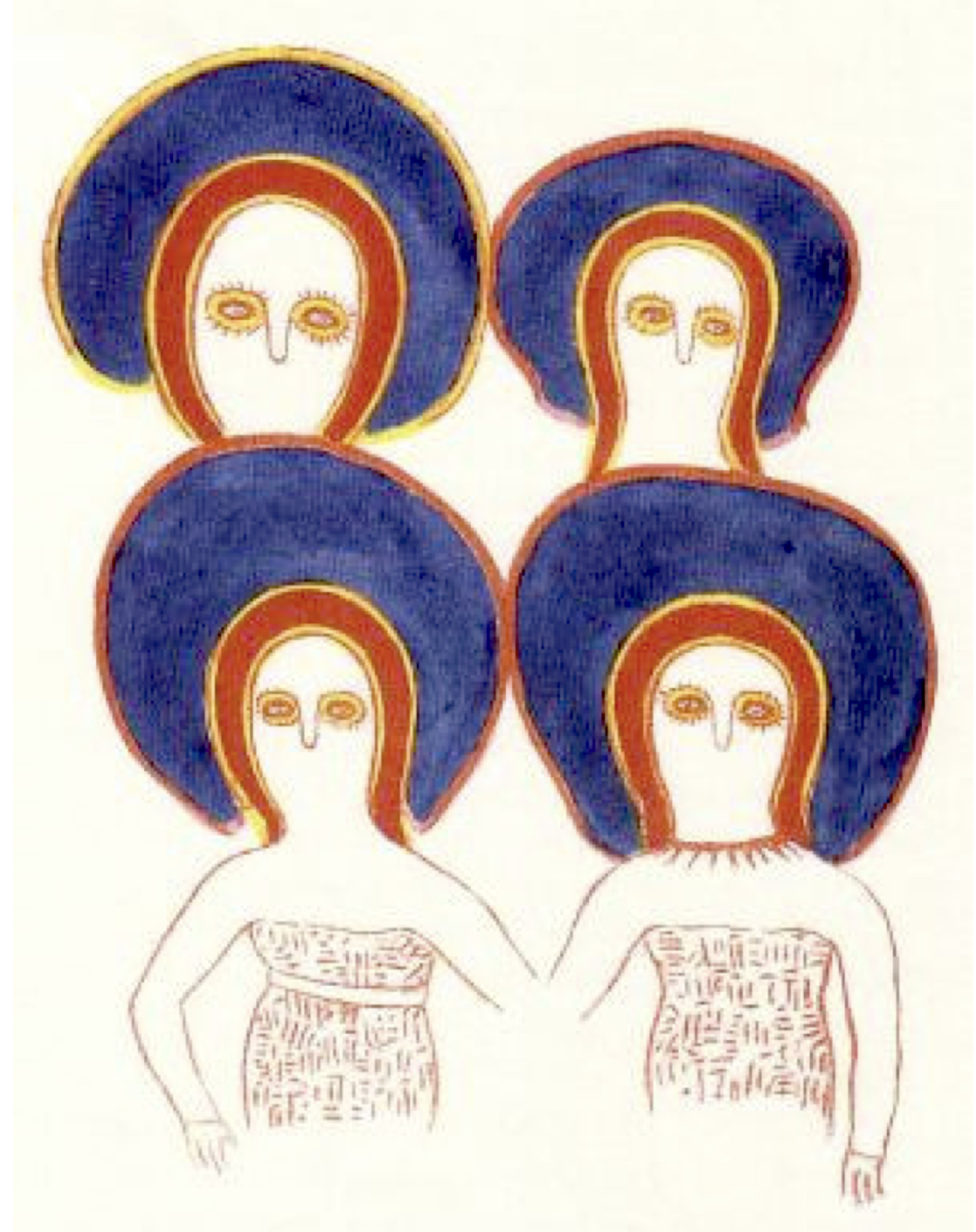
Comparing these drawings with examples of Wandjina rock art and
17th-century paintings, I came to the compelling conclusion that Dutch
sailors and women were shipwrecked, probably during the late 17th
century, in the Kimberley region.
“There have been repeated rumours… of a settlement near the
northwestern shores of Australia by a Dutch shipwrecked crew, whose
descendants, the offspring of native wives, are said to speak, to the
present day, the language of both parents, and to have a considerable
smattering of the knowledge and arts of civilised life.”
The Sydney Morning Herald, NSW, 11 May 1857
What’s different in the 4th edition?
The 4th edition evolved after I decided that The Lost White Tribes of
Victoria and NSW deserved a separate book. The Lost White Tribes of
Australia Part 3: 1766 Australia’s First Pandemic was the result.
This gave me the opportunity to write in more detail, especially about
the Lost White Tribes of Northwestern Australia. To make the writing and
reading easier, I divided the book into geographical sections with each
part taking on a life of its own.
When it came to putting the book together, I discovered I had too many
pages. Although I was able to remove about 30-40 pages, it was
impossible to delete any more. Therefore, there will be another book:
The Lost White Tribes of Australia Part 4: Mysterious Tribes, which will
include Queensland, South Australia, and south-western Australia.
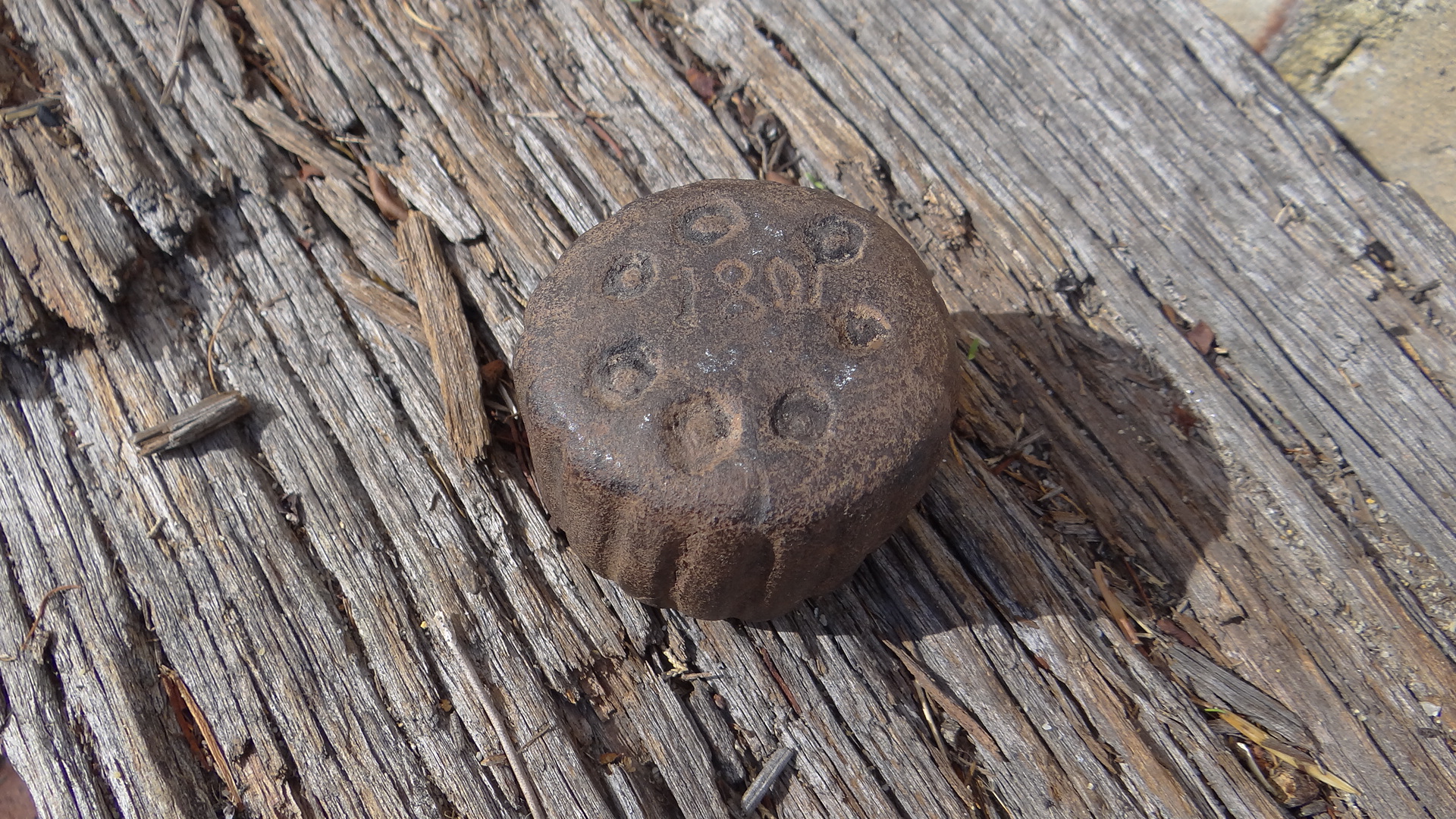
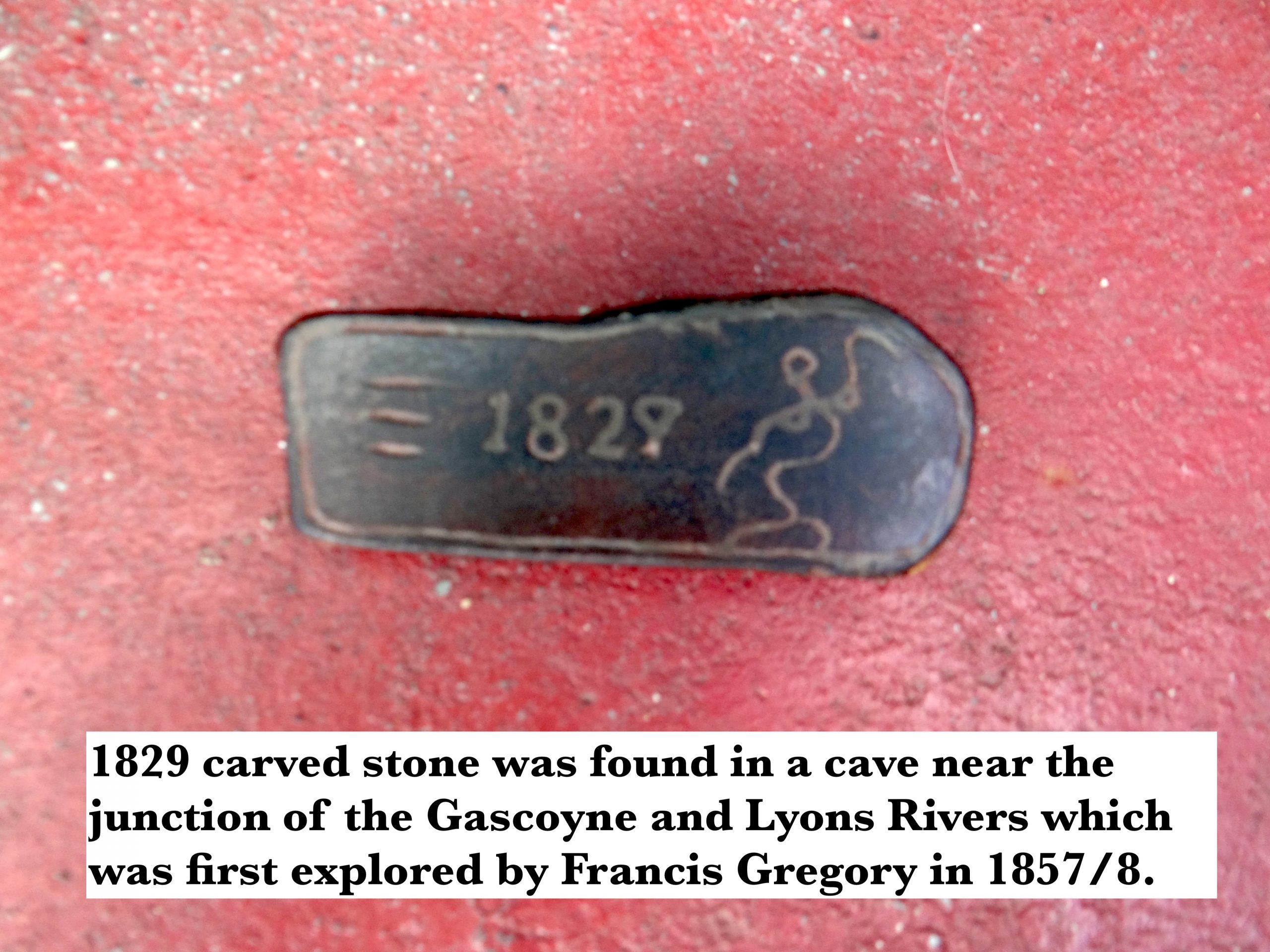
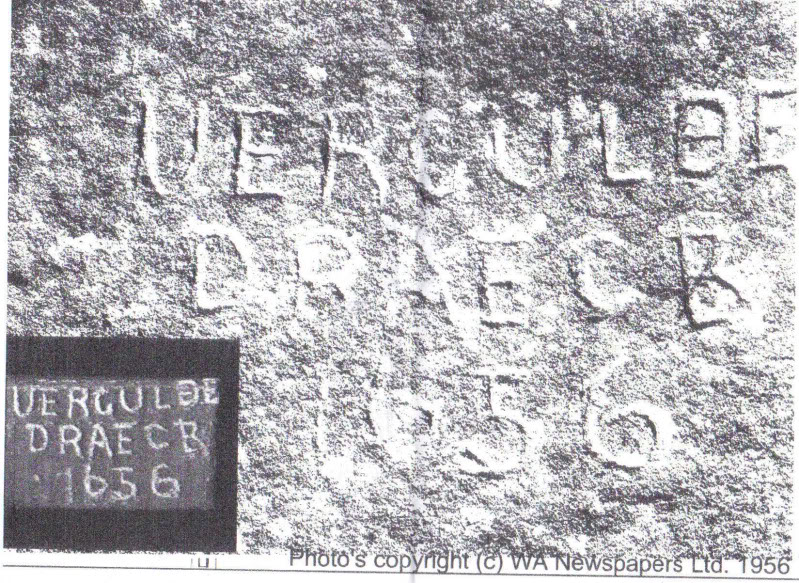
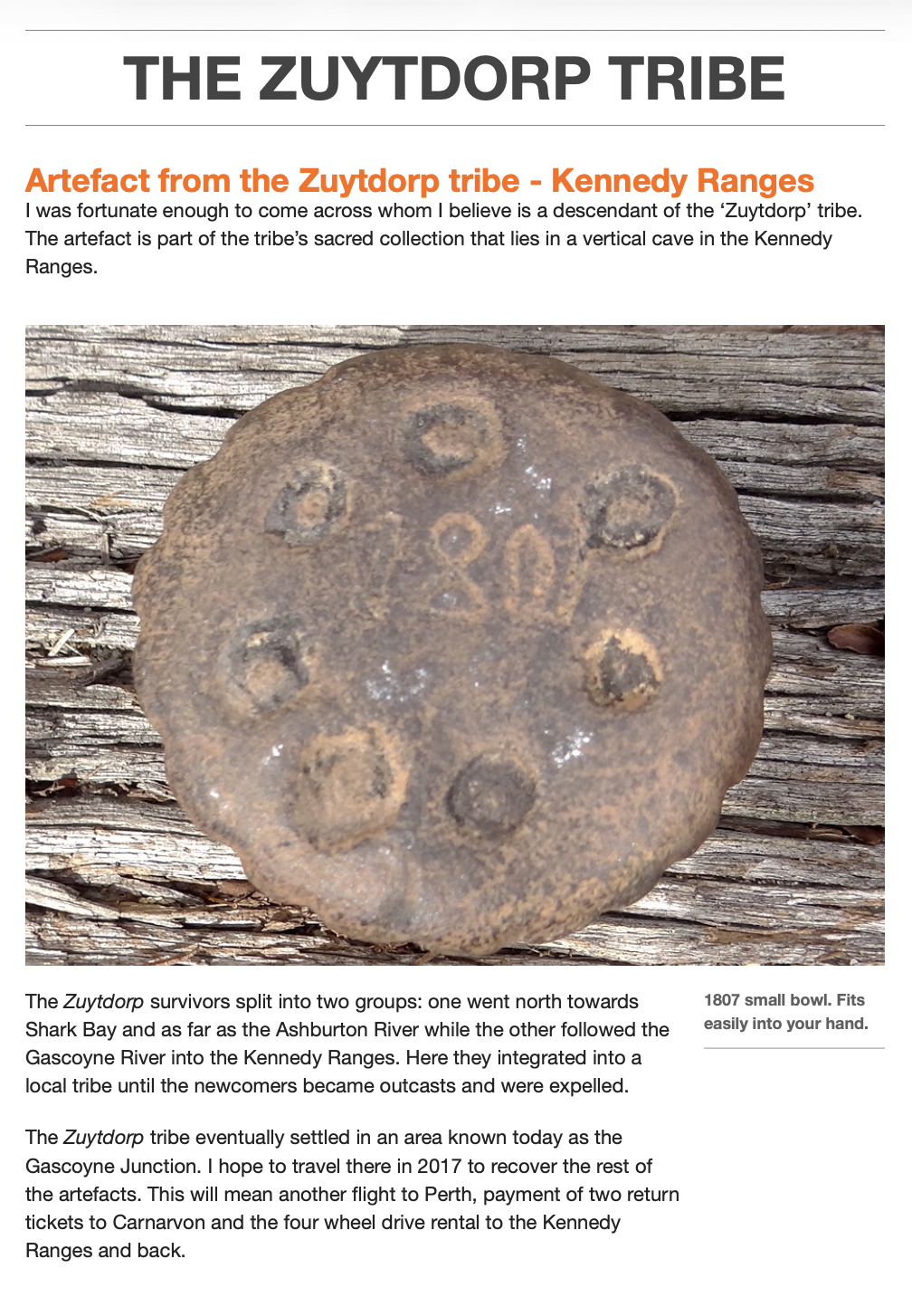
The 4th Edition examines in more detail what happened to the shipwreck
survivors of the /Vergulde Draeck /(Gilt Dragon) and the /Zuytdorp/. New
evidence confirming their long-term settlement and/or assimilation with
Aboriginal tribes is presented, along with a story about a new white
tribe discovered near Perth, in Subiaco.



Reviews
There are no reviews yet.